
Nargie

Design & Construction
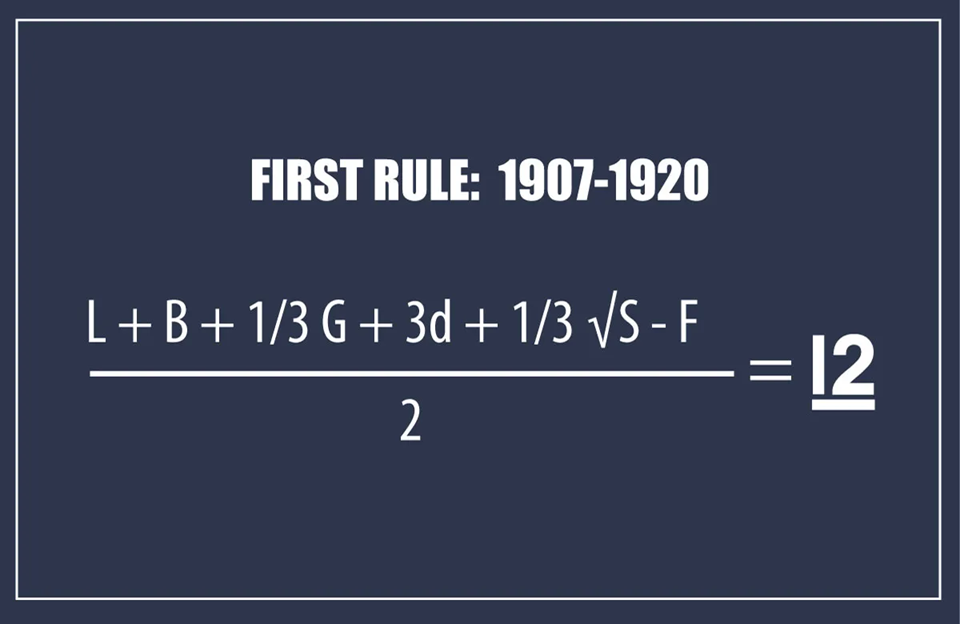
Nargie was built in 1908 to the International First Rule and was the first Twelve Metre designed by Alfred Mylne, as documented by Lang & Jones. She was built by R. McAlister & Son at Dumbarton, Scotland, and was one of three Twelves constructed by the McAlister yard in 1908, the others being Hera and Mouchette.
The total cost of construction was £1,850, comprising £1,600 for the hull, £250 for sails, and a design fee of 15 guineas.
Hull Construction & Structure
Nargie was robustly built, reflecting early First Rule practice:
Main frames: Natural oak, steam-bent, with two sub-frames between each main frame
Frame spacing: Main frames 2 × 1¾ inches
Topside planking:
26 mm mahogany above
25 mm pitch pine from one foot below the waterline
Decking: 31 mm yellow pine
Floors: Galvanized wrought iron
Keel timber: 19 mm American elm
Sternpost & rudder: Oak
Of the three McAlister Twelves built that year, Nargie was the heaviest, with a recorded displacement of 27 tons.
Original Ownership & Clyde Racing (1908–1911)
Owner: Jack Little
Name: Nargie
Home Port: Glasgow, Great Britain
Nargie competed in the English trials for the 1908 Olympic Games, but was not selected and did not achieve notable success during the trials.
Her regatta record on the Clyde was modest. In the 1910 racing season, she recorded 28 entries, achieving 3 firsts, 3 seconds, and 5 thirds, but she was generally regarded as less competitive than her contemporaries Hera and Mouchette.
Subsequent Ownership & Name Change (1912–1915)
1912–1913: Richard G. Allan, who renamed the yacht Malva
1914–1915: John A. Dunlop
During this period, the yacht remained in British ownership, with limited recorded racing success.
Later Ownership & Scandinavian Period (1916–1946)
1916–1918: Owner unknown
1918–1923: B. A. Butenschøn, home port Christiania (Oslo), Norway
1924–1946: P. H. Matthiessen
Under Scandinavian ownership, Nargie (ex Malva) transitioned away from front-line racing. In 1931, she disappeared from Lloyd’s Register, a common occurrence for yachts operating outside British registry oversight during this period.
Final Ownership & Renaming (1947–1959)
1947–1952: Sigurd Herløfson
1952–1959: A. B. Oweson, who renamed the yacht Arrow XVI
Under her final name, Arrow XVI, the yacht remained in Norway. She is reported to have been lost or broken up by 1959, bringing an end to the life of one of the earliest Twelve Metres.
Historical Significance
Nargie is significant as:
The first Twelve Metre designed by Alfred Mylne
One of the earliest International Rule Twelves
Part of the 1908 Clyde triumvirate (Hera, Mouchette, Nargie)
An example of an early Twelve whose robust construction did not translate into sustained racing success, yet whose design informed later, more refined Mylne Twelves