
Skeaf III
Design and Construction
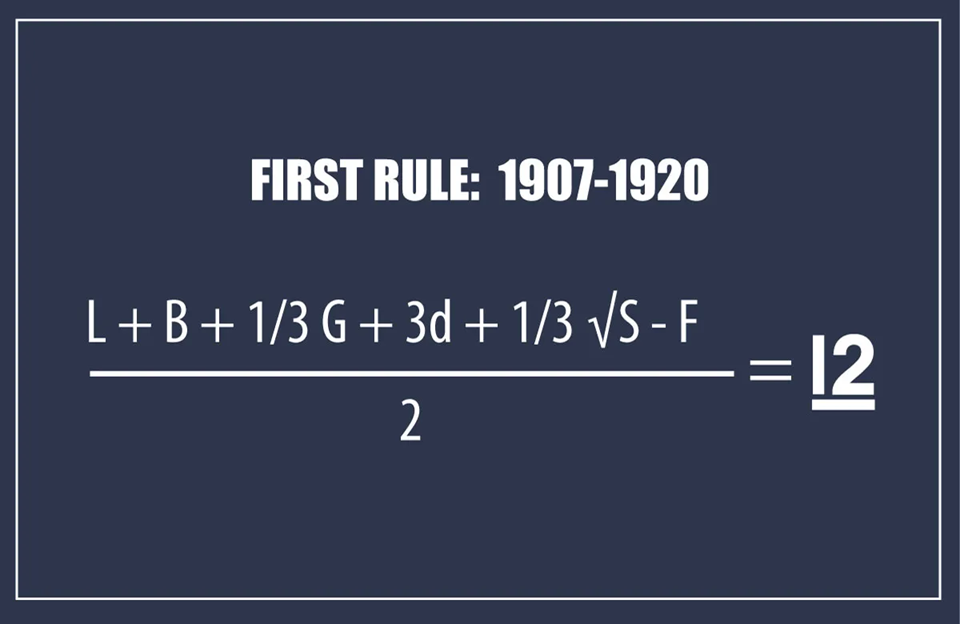
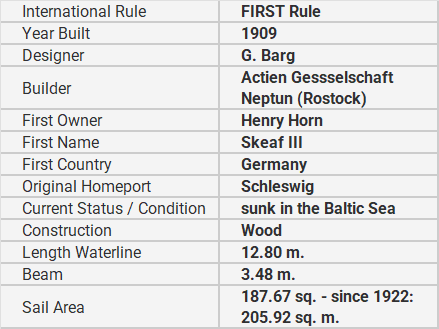
Skeaf III was an International 12 Metre yacht built to the International First Rule, entering service in the years immediately preceding the First World War. While the exact designer and builder have not been conclusively documented in surviving public records, her construction falls squarely within the early, pre-war First Rule period, when German owners and yards were at the forefront of metre-rule yacht development.
Early Ownership and the Skeaf Series
From 1909 until the First World War, Skeaf III is associated with B. Consul Henry Horn, with her home port listed as Schleswig, Germany. Horn was a prominent German industrialist and major wood importer, and one of the most influential private owners in early Twelve Metre history.
Horn commissioned five Twelve Metres, all bearing the name Skeaf, each representing successive stages in an ongoing development program. The Skeaf yachts formed one of the most significant private-owner series of early 12 Metres in Northern Europe and were regular competitors at major regattas such as Kiel Woche.
Later Ownership and Baltic Career
Following the First World War, Skeaf III continued in service under later ownership.
By 1934, the yacht is recorded as being owned by E. Lorch, retaining the name Skeaf III and sailing with her home port listed as Riga. Earlier records indicate that between 1923 and 1932, her home port was Helsingfors (Helsinki), Finland, before shifting to Riga in 1932.
During this period, Skeaf III undertook notable long-distance sailing. Lorch is recorded as having sailed the yacht to Shetland in either 1924 or 1925, an impressive passage for a First Rule Twelve and evidence of her continued seaworthiness well into the interwar years.
Registry Status
From 1930, Skeaf III appears in Lloyd’s Register, where she is listed as “formerly International Rating Class 12 Metres.” This classification reflects the gradual obsolescence of First Rule yachts in competitive racing as later rule iterations came into force.
At an unknown date after the early 1930s, Skeaf III disappears from Lloyd’s Register. No formal record of scrapping, loss, or re-registration under another name has been identified.
Disappearance and Final Disposition
As with many early wooden racing yachts, particularly those operating in the Baltic and Northern European waters during a period of political and economic upheaval, Skeaf III’s final fate remains undocumented. No verified evidence of her survival into the modern era has been found.
Historical Significance
Skeaf III is historically significant as:
A First Rule International 12 Metre
Part of the influential Skeaf series commissioned by Henry Horn
A yacht with a documented Baltic and North Sea cruising history, including a voyage to Shetland
One of the class’s “lost” Twelve Metres, whose ultimate fate remains unknown